
Ayurvedic Plan to Transition to a Vegetarian Diet
Shifting to a vegetarian diet should be done gradually and mindfully to maintain balanced digestion (Agni), prevent deficiencies, and align with your dosha constitution. Ayurveda emphasizes a Sattvic, plant-based diet that nourishes the body, mind, and spirit.
Step 1: Understanding Your Dosha & Dietary Needs
Each dosha has specific nutritional requirements:
• Vata (Air & Ether) – Needs warm, moist, grounding foods to prevent bloating and dryness.
• Favor: Cooked grains (rice, quinoa, oats), root vegetables, nuts, ghee, warm spices (ginger, cinnamon).
• Avoid: Raw salads, cold foods, excess beans.
• Pitta (Fire & Water) – Needs cooling, calming foods to reduce acidity and inflammation.
• Favor: Sweet fruits, leafy greens, coconut, whole grains, cooling herbs (mint, coriander).
• Avoid: Excess spicy, sour, or fried foods.
• Kapha (Earth & Water) – Needs light, warm, stimulating foods to enhance metabolism.
• Favor: Bitter greens, legumes, warming spices (turmeric, black pepper), steamed vegetables.
• Avoid: Dairy, heavy grains, excess sweet foods.
Step 2: Gradual Transition to a Vegetarian Diet
Week 1-2: Reduce Meat Consumption & Improve Digestion
• Start by reducing red meat & processed meats, replacing them with lentils, beans, paneer, and tofu.
• Drink warm lemon water in the morning to stimulate digestion.
• Add digestive spices like cumin, fennel, and ginger to meals.
• Practice intermittent fasting (12-hour window) to reset digestion.
Week 3-4: Eliminate Poultry & Fish, Introduce More Plant-Based Proteins
• Replace poultry with sprouted lentils, quinoa, moong dal, hemp seeds, and nuts.
• Introduce fermented foods (buttermilk, sauerkraut, homemade pickles) for gut health.
• Use ghee or coconut oil for healthy fats instead of animal fats.
Week 5-6: Adopt a Fully Plant-Based Ayurvedic Diet
• Focus on whole, fresh, organic foods.
• Maintain a balance of proteins (legumes, dairy, nuts), healthy fats, and complex carbs.
• Ensure proper B12, iron, and omega-3 intake through fortified plant-based sources.
• Consider Ayurvedic supplements like Chyawanprash and Ashwagandha for energy and immunity.
Ayurvedic Meal Plan for a Vegetarian Diet
Breakfast
• Warm spiced oatmeal with almonds & dates (Vata)
• Fresh fruit with coconut yogurt (Pitta)
• Warm barley porridge with cinnamon (Kapha)
Lunch (Main Meal)
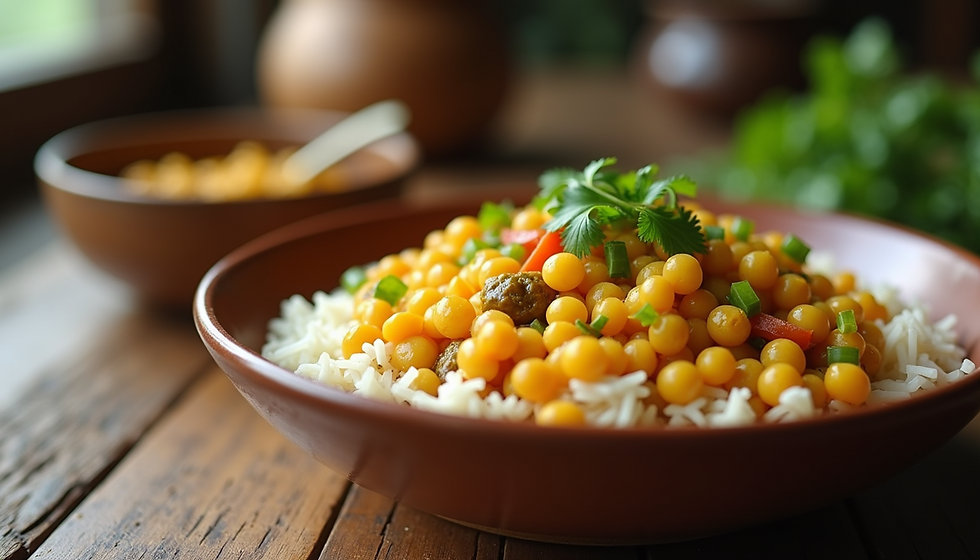
• Khichari (lentils + rice + spices) with ghee (all doshas)
• Vegetable stir-fry with quinoa & turmeric (Kapha)
• Coconut curry with basmati rice & greens (Pitta)
• Root vegetable stew with mung beans (Vata)
Dinner (Light Meal)
• Lentil soup with cumin & black pepper
• Steamed vegetables with ghee & warm herbal tea
• Chickpea salad with lemon & herbs
Herbal & Lifestyle Support for the Transition
• Triphala at night for digestive support.
• Tulsi or ginger tea to aid digestion and immunity.
• Pranayama & meditation to maintain emotional balance.
• Gentle yoga & self-massage (Abhyanga) to support the transition.
Would you like a personalized plan based on your body type and current eating habits, contact me here or Support@ScottsdaleReikiAndHolistics.com
Happy Healing 🌱,
Tazz


Comments